Screen time from 0 to 4: what the guidelines say and what works at home
The recommendations of the World Health Organization and the American Academy of Pediatrics, and small, workable ways to cut screen time on a tired evening after work.
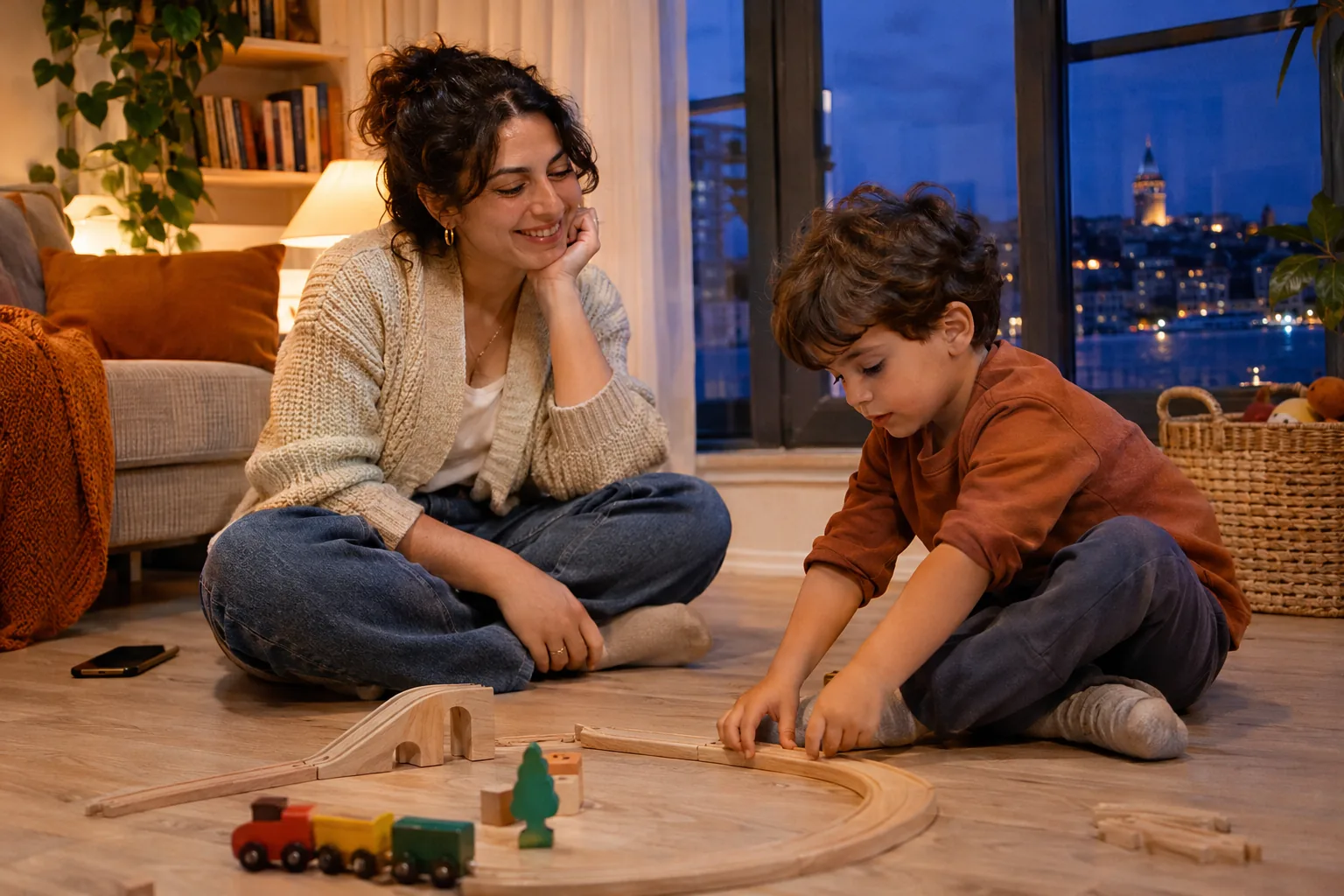
Our October parents’ evening was about screen time, and the hall had never been so full. Most parents said the same thing: "We know what we should do, but at 19:30, tired, while dinner is cooking, we can’t find another way." Here we have collected the guidelines first, then the methods that work for our parents at home.
What do the guidelines say?
The World Health Organization’s 2019 guidelines on physical activity, sedentary behaviour and sleep for children under five recommend: no screen time for babies under one; no sedentary screen time for one-year-olds; and for children aged two to four, sedentary screen time of no more than one hour a day — less is better.
The American Academy of Pediatrics draws a similar picture: avoid screens under 18 months apart from video-chatting with family; between 18 and 24 months, if screens are used, choose high-quality content and watch together; from 2 to 5, limit to one hour a day of high-quality content, ideally watched together.
What these recommendations share: for a young child the problem with screens is not only the content but the time they take. An hour in front of a screen is an hour less of talking, moving, playing and sleeping.
No screens at nursery
There are no televisions or tablets in Pırpır’s classrooms. We play music but we don’t show videos. All day the child moves, talks and plays; by the evening they are tired — just when the parent is tired too, which is when screens become tempting. So instead of "never", we suggest to our parents: "let’s make the first hour of the evening screen-free".
What works for our parents
- Twenty minutes at the door. As soon as you get in, before dinner, leave the phone in the bag and sit on the floor. A block tower, a book, a puzzle. This is the twenty minutes a child needs most at the end of the day.
- A job in the kitchen. While dinner cooks, a stool by the counter and a small task instead of a screen: washing the cucumber, counting spoons, putting bread in the basket.
- Phone face down. Children notice when a parent’s phone is face down. One parent said "a face-down phone now means play time in our house".
- Video calls are different. Talking to grandma on video is relationship time, not screen time; keeping it apart from cartoons makes sense to the child too.
- Off an hour before bed. Screen light and pace can make it harder to fall asleep; let the bedtime routine start screen-free.
Routine, not guilt
At the end of the evening one mother said: "Before we talked about this I felt guilty every evening. Now I’ve just changed the first hour." Screen time is not a parenting exam but part of the evening routine. A small change, repeated every day, makes a difference. If you have any concern about your child’s development, talk to their teacher and your paediatrician.